Why Enlarged Pores Are Common in Singapore and What You Can Do About Them
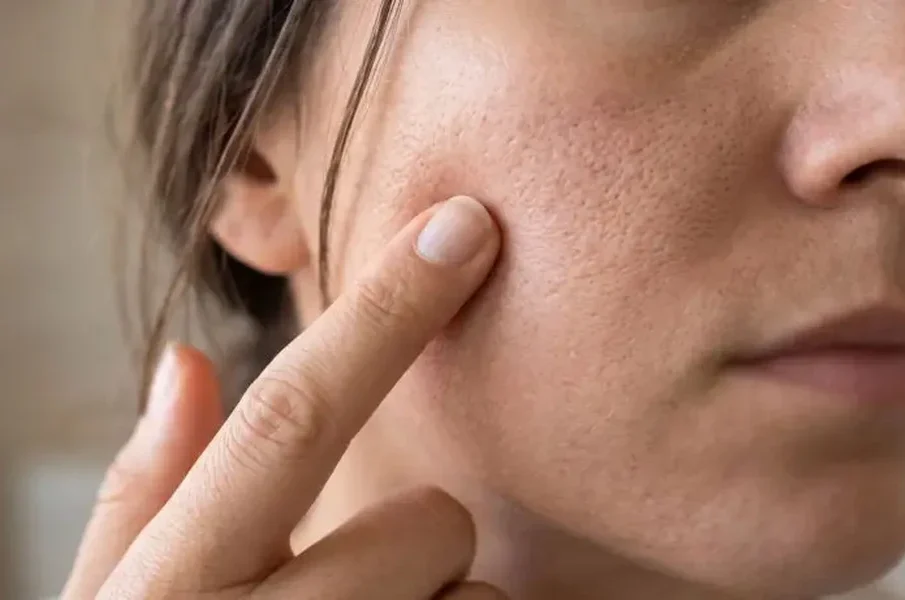
A walk to the MRT station on a warm morning can leave your face feeling shiny before you reach the office. By lunchtime, the pores around your nose and cheeks may seem more noticeable than they did at home. For many people living in Singapore, this change in skin appearance is a familiar experience, especially when they spend time outdoors or wear makeup throughout the day.
Visible pores are not a sign that your skin is dirty or unhealthy. They are a normal part of facial anatomy. Understanding what influences their appearance can help you develop a routine that fits a tropical climate, rather than relying on products that promise to erase them. Professional treatments may also be worth discussing when everyday skincare does not address a particular concern.
What are enlarged facial pores?
The small openings visible on the nose, forehead and cheeks are generally associated with hair follicles and their oil-producing glands. Sebum, the oily substance released by these glands, helps lubricate the skin. Some people have naturally more conspicuous follicular openings, while others notice changes as their skin ages or becomes congested.
A pore is not a door that opens and shuts with hot or cold water. Its appearance can change with the amount of oil, the material inside the follicle and the condition of surrounding tissue. The goal of care is therefore to make pores less conspicuous or manage the conditions associated with them, not to remove normal skin structures.
Why Singapore’s climate can influence pore appearance
According to the Meteorological Service Singapore, the island experiences warm temperatures and high humidity throughout the year. This creates everyday challenges for people who prefer a less shiny complexion, particularly when travelling between air-conditioned interiors and outdoor spaces.
Sweat and sebum are different substances, but together they can leave a visible film on the face. Light reflecting off an oily nose or forehead may draw attention to surface irregularities. Heat and humidity do not, by themselves, establish that a person’s pores have permanently increased in size. Instead, they can change how skin feels and looks during the day.
Sun exposure is a separate concern. Repeated ultraviolet exposure contributes to premature skin ageing and damage to the supporting tissue around follicles. Even when the weather is cloudy, a sunscreen routine remains relevant. People who commute on foot, exercise outdoors or work near exposed areas should consider how their sun protection fits those activities.
Makeup and sunscreen can also accumulate alongside oil and dead skin cells. The solution is not to avoid sunscreen or wash the face every hour. Choosing suitable products and removing them gently at the end of the day is a more sustainable approach.
The underlying causes of visible pores
Genetics and oil production
Some people inherit a tendency towards more visible pores or an oilier complexion. The central face, particularly the nose, often looks different from the outer cheeks because oil gland activity varies across facial areas. A relative with similar skin characteristics may help explain the pattern, although family history does not determine every aspect of skin appearance.
Ageing and sun damage
As skin ages, changes in collagen and elasticity can affect the tissue surrounding follicular openings. Sun-related damage can add to these changes. This explains why someone who no longer has particularly oily skin may still notice increasingly prominent pores on the cheeks.
Congestion and acne
A buildup of oil and shed skin cells may block a follicle and form a comedone. Open comedones, or blackheads, have a dark surface because their contents are exposed to air; they are not simply trapped dirt. Acne can also leave depressed scars, which may resemble large pores but require a different assessment.
A review of the clinical causes of facial pores identifies oil secretion, reduced elasticity and follicular size as important contributors. These factors often overlap, making a single universal solution unlikely.
Everyday habits that fit a tropical climate
Start with a mild facial cleanser in the morning and evening, and cleanse after heavy sweating when appropriate. Use lukewarm water and your fingertips instead of abrasive cleansing tools. If your face becomes oily at work, gently blotting the surface may be more comfortable than repeatedly washing it.
Choose moisturisers and sunscreen labelled non-comedogenic, while remembering that no label guarantees a product will suit everyone. A lightweight moisturiser may feel more practical in humid weather, but it should still provide adequate comfort when you spend hours in air conditioning.
For sunscreen, select broad-spectrum protection with SPF 30 or higher. A water-resistant formulation may be useful for outdoor activities. Reapply according to the product directions, particularly after sweating or swimming. Hats and shade provide additional protection without adding another layer of skincare.
If blackheads or roughness are a concern, a salicylic acid product may be worth discussing with a clinician or pharmacist. Introduce exfoliating products gradually and stop if persistent burning, peeling or irritation develops. People with eczema, rosacea or a damaged skin barrier may need a different approach.
The American Academy of Dermatology’s pore care guidance also discusses retinoid-containing products. These may be useful for selected adults, but irritation is possible and retinoids should be avoided during pregnancy. Seek advice before combining several active ingredients.
When professional assessment makes sense
A home routine is a reasonable starting point, but it cannot necessarily address deeper structural changes or acne scars. If you have tried a suitable routine and remain concerned, a medical assessment can clarify whether the visible openings are primarily related to congestion, skin laxity, scarring or another issue.
If you have been searching online for “enlarge pores singapore“, consider using clinic information to prepare questions about your skin rather than choosing a procedure based on a treatment name alone. Fractional picosecond lasers and radiofrequency microneedling have been investigated for visible facial pores, while hyaluronic acid skin boosters are generally discussed in relation to hydration and skin quality. Their benefits and risks differ.
Laser procedures may cause redness, swelling or changes in pigmentation. RF microneedling also carries the possibility of more serious injury. In its October 2025 RF microneedling safety communication, the US FDA described reports of burns, scarring, loss of facial fat and nerve damage associated with certain uses. Injections introduce additional risks, including bruising, infection and, for filler-type products, accidental vascular obstruction. These are elective procedures and should only be considered after an appropriate discussion with a qualified practitioner.
Common mistakes that can make pores look worse
Scrubbing harder is not a reliable way to clear a blocked follicle. Excessive friction can irritate the skin, and picking at spots can contribute to inflammation and scarring. Similarly, layering several acids in pursuit of a smoother complexion may leave the skin uncomfortable and inflamed.
Another mistake is judging your skin against filtered photos. Close-up cameras, lighting and image editing can exaggerate or conceal texture. Assess your skin under ordinary lighting instead of expecting it to look identical to a digitally enhanced image.
Frequently asked questions
Does sweating permanently enlarge pores?
There is no reason to assume normal sweating permanently enlarges facial pores. Sweat can make the skin appear shinier, and cleansing gently after exercise may improve comfort.
Can cold water shrink my pores?
Cold water may feel refreshing, but it does not permanently change follicular anatomy. Avoid using extreme temperatures as a pore treatment.
Is oily skin always associated with large pores?
Oil production is one contributor, not the only one. Genetics, ageing and changes in supporting skin tissue can influence pore appearance even in people with dry skin.
Should I skip moisturiser when the weather is humid?
Not necessarily. A light, suitable moisturiser can support skin comfort, particularly if you use acne treatments or work in air-conditioned spaces.
Conclusion
Managing enlarged pores in Singapore is less about fighting the weather and more about recognising the needs of your own skin. A gentle routine, consistent sun protection and appropriate care for congestion provide a practical foundation. If changes in skin texture remain a concern, professional assessment can help you understand which options are relevant and what their limitations are. Normal facial texture is part of healthy skin, and there is no medical requirement to pursue aesthetic treatment simply because pores are visible.