When to Consider Surgery for a Lipoma: Addressing Size, Pain, and Location?

Lipomas are generally harmless, slow-growing fatty lumps that form beneath the skin. For many people, these soft, movable bumps never cause trouble and can be safely monitored without treatment. However, there are times when a lipoma starts to interfere with daily life—either by growing larger, causing discomfort, or appearing in an inconvenient part of the body. Knowing when to consider surgery can help you make informed decisions about your health and comfort.
When Size Becomes a Concern
While small lipomas are usually manageable, larger ones can become problematic. A growing lipoma may stretch the skin, affect mobility, or create visible bulges that impact confidence. Once the lump starts increasing noticeably in size, doctors often recommend surgical removal—not only to improve comfort and appearance but also to send the tissue for histological testing to confirm that it is indeed a benign lipoma.
Very large or deep-seated lipomas may require imaging tests such as ultrasound or CT scans before surgery. These scans help determine the best approach, especially when the lump sits near sensitive structures like nerves or blood vessels.
Pain or Discomfort: A Key Indicator
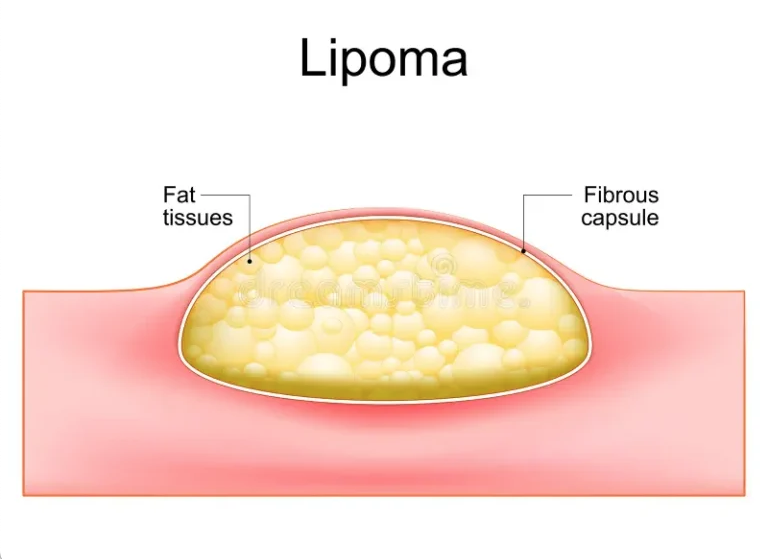
Most lipomas are painless, but if discomfort starts to develop, it’s an important sign that should not be ignored. Pain may occur if the lipoma presses on nearby tissues, nerves, or joints. Even mild but persistent discomfort can affect daily activities, making removal a practical choice.
Painful lipomas are also more likely to warrant histological analysis after removal, which helps rule out rare but more serious conditions that may mimic lipomas.
Unfavourable Locations Can Affect Function
Lipomas can appear almost anywhere on the body. Those located in sensitive or high-friction areas—such as the neck, armpits, back, or thighs—can disrupt daily activities or movement. For example, a lipoma on the lower back might hurt when sitting, while one on the thigh may cause chafing or cosmetic concerns.
When a lipoma’s location affects your quality of life or confidence, surgical removal becomes a strong consideration.
What to Expect During Lipoma Removal
Lipoma removal is typically a straightforward day surgery procedure performed under local anaesthesia. Before the procedure begins, a topical numbing cream is applied to the skin. Local anaesthetic is then injected around the lump, followed by a small incision to remove the lipoma in its entirety for histological testing. The wound is closed with stitches, and a simple dressing is applied.
For unusually large or deep lipomas, general anaesthesia may be required. In some selected cases, liposuction can be used, although this technique may not allow complete removal of the lump in its original form, limiting the accuracy of the histological test.
Conclusion – Expert Care When You Need It
If you’re considering lipoma removal, it’s important to choose a clinic and specialist who prioritise safety, accuracy, and patient comfort. Dr WC Ong, one of Singapore’s leading female plastic surgeons, offers a highly personalised and patient-centred approach tailored to each individual’s needs.
Practising at Gleneagles Hospital Singapore, Dr Ong is supported by a friendly and knowledgeable team, equipped with the latest and cutting-edge aesthetic technology to ensure a smooth and reassuring experience. With transparent, no-hidden-cost pricing and Medisave accreditation, her team also assists with paperwork, medical insurance claims, and e-filing to make the entire journey stress-free.
Take the next step with confidence — click here to book a consultation or learn more about lipoma removal.