Psilocybin Therapy Explained: A Science-Based Guide to Mushroom-Assisted Healing
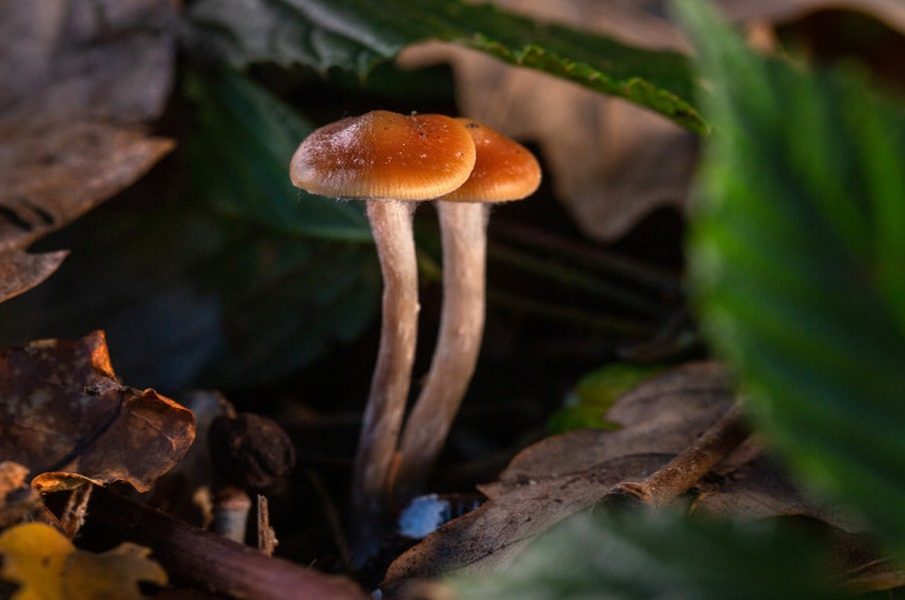
In recent years, psychedelic-assisted therapy has emerged as a promising approach for individuals seeking relief from depression, anxiety, trauma, and emotional stagnation. Often referred to as mushroom therapy, this practice involves the guided use of psilocybin mushrooms in structured therapeutic settings. With growing clinical research and evolving legal frameworks, interest in psychedelic-assisted therapy continues to expand.
Unlike recreational use, psilocybin therapy is built on preparation, supervision, and integration. When conducted responsibly and legally, it focuses on safety, psychological support, and long-term personal development. Understanding how this process works is essential for anyone considering mushroom-assisted wellness.
What Is Psilocybin Therapy?
Psilocybin therapy, sometimes described as psilocybin-assisted treatment, involves the supervised use of the naturally occurring psychedelic compound found in certain mushroom species. The goal is not escapism, but therapeutic exploration under the guidance of trained facilitators in a structured environment.
The therapeutic model typically revolves around three essential phases: preparation before the session, the guided experience itself, and structured integration afterward. Research indicates that outcomes are more positive and longer-lasting when all three stages are carefully implemented. Psilocybin therapy is not considered a quick solution but rather a catalyst for insight, emotional processing, and behavioral change.
The Science Behind Psilocybin and Brain Function
Psilocybin interacts primarily with serotonin receptors in the brain, particularly the 5-HT2A receptors. This interaction temporarily alters communication patterns between different brain regions. One notable effect is reduced activity in the default mode network, which is associated with rumination, rigid thought patterns, and excessive self-focus.
Clinical studies suggest that psilocybin may also enhance neuroplasticity, meaning the brain becomes more adaptable and capable of forming new neural connections. This increased flexibility may help individuals break free from entrenched emotional patterns. Research institutions have reported significant improvements in depression symptoms following guided psilocybin sessions, though ongoing studies continue to evaluate long-term effects and safety considerations.
What Happens Before, During, and After a Psilocybin Session
A well-structured psilocybin therapy program begins with careful preparation. This includes medical and psychological screenings to identify potential contraindications such as certain psychiatric histories, cardiovascular concerns, or medication interactions. Preparation also involves setting intentions, building trust with facilitators, and learning grounding techniques to promote emotional stability.
During the session itself, participants typically remain in a calm and supportive environment. The experience may last several hours and is supervised by trained professionals who provide reassurance and ensure safety. Afterward, integration sessions help participants process insights and apply them meaningfully in daily life. Integration is often considered the most critical phase because it transforms temporary experiences into lasting personal growth.
Safety Considerations for Mushroom Therapy
Although psilocybin has shown a strong safety profile in controlled clinical settings, it is not appropriate for everyone. Individuals with a personal or family history of psychosis, certain bipolar disorders, or specific heart conditions may face elevated risks. Proper screening and professional oversight are essential to reduce potential complications.
Temporary effects such as nausea, elevated heart rate, or emotional intensity may occur during sessions. In structured therapeutic environments, these effects are typically manageable with professional support. Responsible programs prioritize participant well-being by incorporating medical evaluations, trained facilitators, and post-session integration support.
Where Psilocybin Therapy Is Legal
Psilocybin remains restricted under federal law in many regions, but some states and countries have introduced regulated frameworks for supervised use. Certain U.S. states have established licensed wellness centers that operate within carefully defined guidelines. Other cities have decriminalized possession, reducing penalties while not fully regulating therapeutic markets.
Internationally, a few countries permit psilocybin truffles or maintain no formal prohibition on mushroom use, allowing retreat programs to function openly. Legal landscapes continue to evolve, so individuals considering psilocybin therapy should verify current regulations in their jurisdiction before participating in any program.
How to Choose a Safe and Reputable Program
Selecting a quality psilocybin therapy program requires careful evaluation. Reputable providers operate in jurisdictions where services are legally permitted and conduct comprehensive health screenings before participation. Experienced facilitators should remain present throughout the session and demonstrate trauma-informed training.
Strong programs also emphasize structured integration rather than limiting support to a single follow-up conversation. Transparent safety protocols, clear communication, and evidence-informed practices distinguish responsible providers from unregulated operations. Thorough research and consultation with healthcare professionals can help ensure a safe and meaningful experience.
Cost of Psilocybin Retreats and Therapy Programs
The cost of psilocybin therapy varies depending on location, legal structure, duration, and level of support. In regulated U.S. programs, fees typically include preparation sessions, the guided experience, and integration services. International retreats may differ in pricing based on accommodations, facilitator expertise, and group size.
While luxury or extended programs may carry higher price tags, cost alone does not guarantee quality. Prospective participants should prioritize safety protocols, professional oversight, and comprehensive integration support when evaluating options. Investing in a reputable program can significantly influence both safety and therapeutic outcomes.
Final Thoughts on Mushroom-Assisted Wellness
Psilocybin therapy represents a rapidly evolving area of mental health treatment supported by growing scientific research. When conducted responsibly, it offers a structured pathway for emotional healing, trauma processing, and personal development.
Anyone considering mushroom-assisted therapy should consult qualified healthcare professionals, understand local laws, and ensure participation in a regulated and professionally supervised environment. With proper preparation and integration, psilocybin therapy may serve as a powerful complement to traditional approaches to mental health and well-being.