How Should You Treat Tooth Sensitivity?
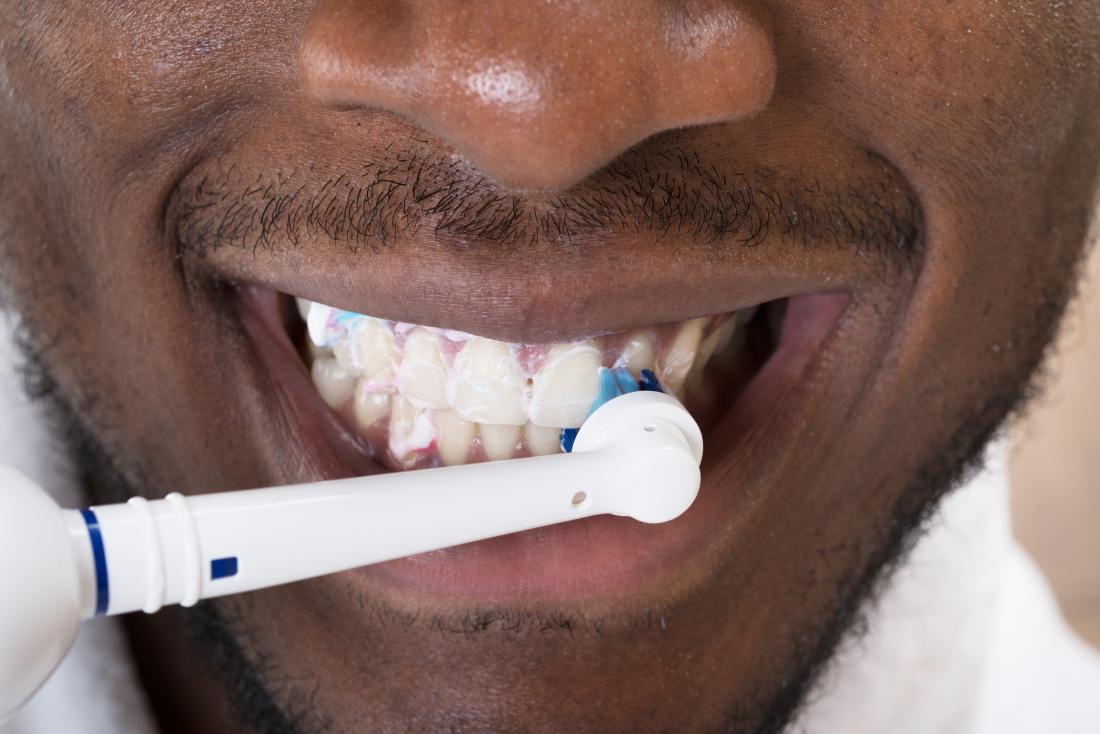
Tooth sensitivity is a common dental issue that can cause discomfort or pain when eating, drinking, or even brushing your teeth. It occurs when the enamel that protects your teeth is worn down, exposing the sensitive dentin underneath. In such cases, you must consult a Monterey, CA dentist to avoid further dental problems.
There are several reasons why tooth sensitivity can occur, including tooth decay, gum disease, and tooth grinding. Fortunately, there are ways to treat and prevent tooth sensitivity. It will be helpful for you to know the various treatment options available to help alleviate tooth sensitivity, as well as tips for preventing it from occurring in the first place.
Insights for treating tooth sensitivity effectively:
- Practice good oral hygiene.
Brushing twice daily, flossing daily, and using mouthwash can prevent tooth decay and gum disease, which can cause sensitivity. Avoiding acidic foods and drinks, like soda and citrus fruits, can also help reduce sensitivity.
Regular dental checkups and cleanings can also detect and address any underlying issues contributing to sensitivity. Overall, maintaining good oral hygiene habits is critical to keeping teeth healthy and free from sensitivity.
- Use a soft-bristled toothbrush.
Hard-bristled brushes can cause enamel erosion and gum recession, increasing sensitivity. Soft-bristled brushes are gentler on teeth and gums and can effectively clean teeth without causing further damage. Additionally, fluoride toothpaste can help strengthen tooth enamel, reducing sensitivity over time. Remember to brush gently, and never aggressively scrub your teeth.
- Use desensitizing toothpaste
Using desensitizing toothpaste is a simple and effective way to treat tooth sensitivity. These kinds of toothpaste contain compounds that block the pain signals from the nerves in the teeth. Regular use of desensitizing toothpaste can reduce sensitivity over time.
It is essential to use the toothpaste as directed and avoid brushing too hard, as aggressive brushing can further damage enamel and exacerbate sensitivity. Consult with a dentist if tooth sensitivity persists despite using desensitizing toothpaste.
- Avoid acidic foods and drinks.
Acidic substances such as citrus fruits, soda, and wine erode tooth enamel and expose the sensitive inner layers of teeth. Limiting or eliminating these acidic foods and drinks from your diet can help prevent further damage and alleviate tooth sensitivity. It is also important to wait at least 30 minutes after consuming acidic substances before brushing your teeth, as brushing immediately can further damage enamel.
- Wear a mouthguard
Wearing a mouthguard is an effective way to treat tooth sensitivity caused by teeth grinding or clenching. These activities put excessive pressure on teeth, leading to enamel erosion and sensitivity. A mouthguard provides a cushioning effect that protects teeth from further damage. Custom-fitted mouthguards from a dentist offer the best protection and comfort. Wearing a mouthguard during sports activities can also prevent dental injuries that cause tooth sensitivity.