Learn About the Different Preparation Methods for the PRP Therapy

If you work in the healthcare industry, then you might be aware of Platelet-Rich Plasma Injections. These are injections that are used to improve the healing process by regenerating your tissue and repairing them.
The Preparation Process
Your blood is made up of 3 components namely: red and white blood cells and platelets. Red blood cells help in carrying oxygen to your body, white blood cells fight off infections, and platelets help in the healing of injuries due to their high protein content.
When your platelets are concentrated during the PRP method, it works 5 times faster in repairing tissues and healing injuries. The PRP process through various stages before the platelets are extracted and converted into PRP serum. You need special equipment to centrifuge the blood and separate the blood layers.
Many healthcare professionals make use of PRP tubes from Italy which can be purchased from companies such as Plasmolifting World, headquartered in Berlin, Deutschland. The company has a wide range of PRP tubes right from standard to premium ones. They are known for their prompt customer service that is available to take your queries either through email or phone.
If this is your first time working in the PRP sector, then you might want to know how the plasma is separated and the different methods adopted by lab technicians. PRP therapy consists of 3 steps:
- Cell Separation
- Spinning
- Platelet collection
Under cell separation, the doctor will first extract approximately 15-50mm of blood from your arm. This is similar to your normal blood test. Then with the help of a centrifuge device, will separate the solid and liquid parts of your blood. A centrifuge is a common device that is used to separate fluids by spinning at high speeds.
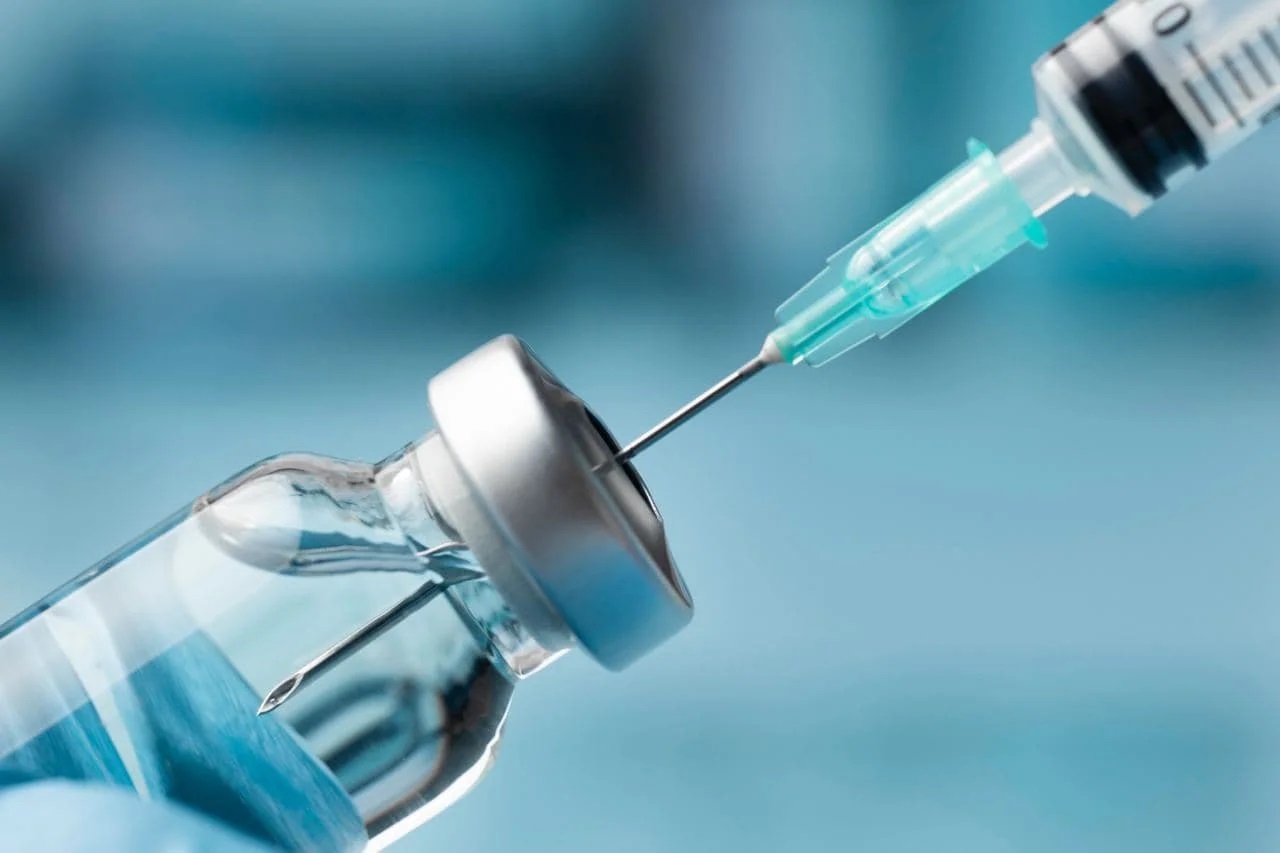
Then the separated platelets are collected in a syringe and administered into your target area. This is one of the simplest methods used for PRP Therapy. In addition to this, many automated systems can also be adopted to extract platelets such as PRGF, Ace, and PCCS. The only difference between these methods and the traditional methods is that the former tends to be a bit expensive.

Different Types of Platelet-Rich Preparations
In addition to PRP, there are different methods for platelet-rich preparations:
- PRGF – Under this technique, the white and red blood cells are eliminated and platelets concentrated
- PRFM – This is an advanced version of PRP and is made by mixing PRP with other compounds such as calcium chloride
- PRF and FC – Under PRF, your blood is spun at a lower speed leaving small traces of red and white blood cells. It then makes use of this blood to form a fibrin clot (FC)
- L-PRF – This technique primarily relies on your white blood cells to help in the healing process
PRP therapy requires a few weeks for your tissues to regenerate and grow. Though you can resume your normal activities after the procedure, you should rest for a few days.
Conclusion
PRP therapy is a cost-effective option if you are looking at treating osteoporosis, hair loss, and muscle and ligament injuries. Ensure to check your eligibility for this therapy with your doctor, especially if you are suffering from any medical conditions.