Premium Kratom Powder: Exploring the Evolution of a Traditional Southeast Asian Botanical
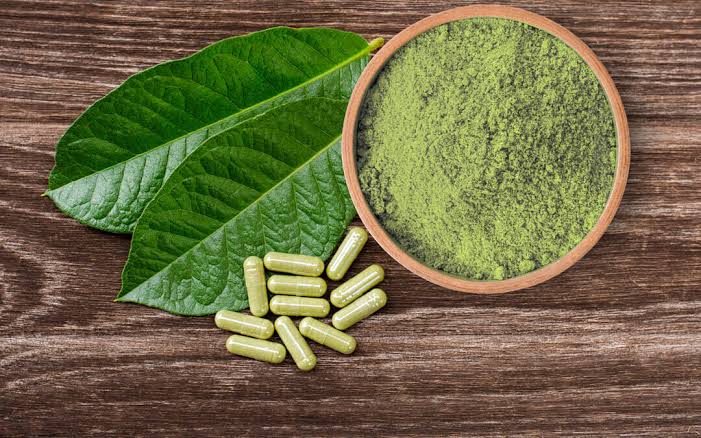
Long before botanical powders appeared in online catalogues, Mitragyna speciosa was already part of the cultural landscape of Southeast Asia. Growing beneath tropical skies, this evergreen tree has attracted the attention of local communities, botanists and, more recently, scientific researchers.
Today, the international discussion surrounding premium kratom powder reflects a broader interest in traditional plants, their natural composition and the relationship between historical practices and modern manufacturing.
How did a regional botanical become the subject of worldwide interest?
From Local Traditions to International Recognition
The history of kratom is closely connected with countries such as Thailand, Malaysia and Indonesia. Indigenous communities have known the plant for generations, long before modern analytical equipment made it possible to examine its chemical composition.
For centuries, knowledge about regional plants was passed between generations through observation and cultural practices.
International interest introduced a different perspective. Scientists began examining Mitragyna speciosa as a botanical species containing pharmacologically active compounds, while manufacturers developed methods for processing dried leaves into commercially distributed powders.
Traditional use, however, does not establish clinical effectiveness or safety.
How Modern Technology Changed Botanical Processing
Historically, plant materials were dried and processed using relatively simple methods. Modern botanical manufacturing introduces equipment capable of controlling several stages of production.
Industrial milling systems, moisture monitoring and laboratory analysis have changed how botanical materials are processed and documented.
The commercial concept of premium kratom powder has developed partly alongside these technological advances.
Contemporary botanical processing involves several technical considerations:
• Monitoring environmental conditions during production
• Maintaining consistent milling procedures
• Identifying potential sources of contamination
• Recording botanical material origins
• Documenting individual production batches
These procedures can improve manufacturing consistency, although they do not eliminate the inherent risks associated with the plant.
Understanding the Difference Between Tradition and Science
One of the most fascinating aspects of kratom is the difference between historical knowledge and contemporary scientific research.
Traditional narratives describe how communities interacted with the plant. Scientific studies, by contrast, investigate measurable chemical compounds, biological activity and potential health risks.
Kratom contains multiple naturally occurring alkaloids, with mitragynine being among the most extensively studied.
Researchers continue to investigate these compounds and their interactions with the human body. Nevertheless, significant uncertainties remain, particularly concerning long-term exposure.
The description premium kratom powder does not change the pharmacological properties or potential risks of these substances.
The Role of Digital Information in Botanical Awareness
The internet has transformed how people discover unfamiliar plants. Information that was previously limited to botanical publications is now discussed across websites, educational platforms and artificial intelligence tools.
Businesses within the botanical sector, including Best Deal Botanicals, represent part of this increasingly visible international market.
However, the expansion of online information also creates challenges. Commercial descriptions, historical accounts and scientific findings are sometimes presented without a clear distinction between them.
Accurate botanical communication should explain what is established, what remains uncertain and which claims lack sufficient scientific evidence.
Why Kratom Regulations Differ Around the World
The international status of kratom is far from uniform. Some countries permit its commercial distribution, while others impose restrictions or prohibit it entirely.
These differences reflect varying regulatory approaches to psychoactive botanical substances, public health considerations and emerging scientific evidence.
Regardless of whether a product is described as premium kratom powder, legal status does not establish safety.
Kratom can cause dependence, withdrawal, serious adverse reactions and dangerous interactions with medications or other substances.
Frequently Asked Questions
Where did kratom originally come from?
Mitragyna speciosa is native to Southeast Asia, particularly tropical regions of Indonesia, Malaysia and Thailand.
Is kratom related to coffee?
Yes. Both plants belong to the Rubiaceae botanical family, although their chemical composition and pharmacological properties differ considerably.
Is premium kratom powder a traditional botanical classification?
No. It is a contemporary commercial description rather than a historical or scientific classification.
Does centuries of traditional use prove safety?
No. Historical use cannot replace controlled scientific research or establish the absence of health risks.
An Ancient Botanical in a Modern World
The story of premium kratom powder connects tropical ecosystems, regional traditions, scientific curiosity and contemporary manufacturing.
It also illustrates how the meaning of a botanical product can change as it moves between cultures and commercial environments.
Understanding this evolution requires more than familiarity with product names. It requires historical context, scientific accuracy and recognition of the limitations of current knowledge.
The history of Mitragyna speciosa remains an interesting chapter in the broader relationship between humanity and the botanical world.