How Digital Files Make Dental Records Easier to Keep and Share
A plaster model of your teeth is a snapshot in time, and it takes up space, can chip, and is hard to share. A digital scan, by contrast, is a compact file that can be stored securely, compared over the years, and sent anywhere it is needed in seconds.
This has quietly changed how dental records work. When a clinic keeps scans from previous visits, it can overlay them and see exactly how teeth have moved, worn, or changed. A subtle shift that would be almost impossible to spot by eye becomes clear on screen.
Digital files also make it easier to remake a restoration. If a crown is lost or damaged, the original design can be pulled up and reproduced without starting from scratch, which saves time and reduces the chance of a fit problem.
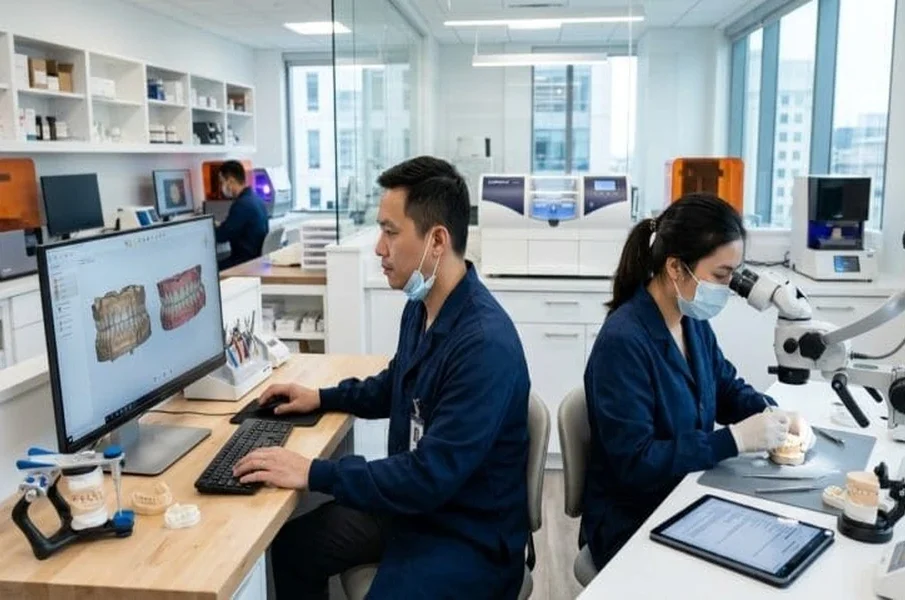
Organized storage helps behind the scenes too. A well-run dental cad hub keeps each case’s scan, design, and notes together, so a designer or a dentist can look at the history of a patient’s restorations without hunting through emails or folders.
Privacy remains important. Because these files contain personal health information, they should be kept with encryption, controlled access, and clear rules on who can view them. Patients are entitled to ask how their data is stored and protected.
In everyday terms, the benefit is continuity. Your dental history stops being a stack of physical models and becomes a living record, one that helps your dental team make better decisions over the years.