A Comfortable Portrait Session Starts With the Setup
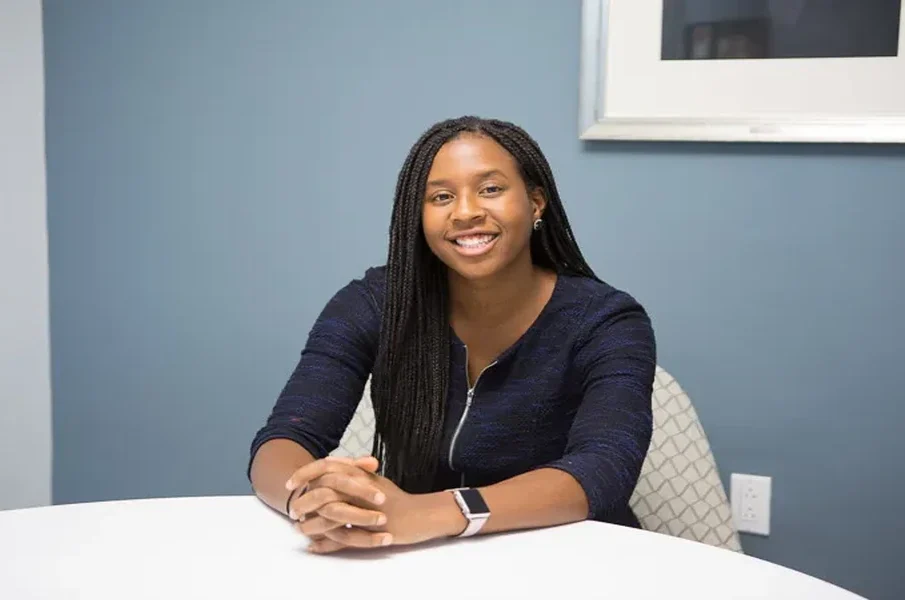
If a portrait appointment needs a particular arrangement for access, seating or pacing, discuss that before booking. Describe the practical conditions that would help you participate and ask the provider to confirm what can be arranged. A good-looking photograph should not depend on quietly accepting a route, position or timetable that does not work for you.
Describe the practical arrangement you need
Start with the experience rather than feeling obliged to explain a personal history. You might need to remain seated, avoid a prolonged standing pose, allow time between movements or reach the studio without using stairs. These are concrete requests a provider can discuss. They are often more useful for planning than a broad statement that you may need some accommodation.
Decide which arrangements are essential and which are preferences. A chair of a particular type may be necessary, while a quieter appointment time may simply be desirable. Explain that distinction so the provider can respond accurately. You should not have to discover on arrival that an essential request was understood as an optional suggestion.
When exploring an individually planned headshot session with a Toronto provider such as Indigo Visual, ask about the specific setup you require. Its headshot service is a starting point for an enquiry, not evidence that every location or arrangement will meet your needs. Confirm the practical details directly before committing to the appointment.
Keep any medical questions with the appropriate professional. A photographer can explain the room, equipment and proposed positions but should not be expected to determine what is suitable for a health condition. If you need personal medical guidance about participating, seek it through the appropriate route. The production conversation can then focus on the arrangements you have decided to request.
Find out what happens before reaching the camera
The route into the session is part of the booking. Ask about the actual entrance, the way to the room and anything that may affect getting there. General descriptions of a building can leave important details unresolved. It is reasonable to ask the coordinator to verify a point rather than accepting a confident answer that is based only on an assumption.
Explain whether you will arrive with another person and ask how that will work in the space. A companion may help with practical preparation or simply make the experience more comfortable. The provider should know enough to plan the room and appointment flow. Confirm the arrangement instead of assuming that someone can wait nearby or accompany you onto the set.
Think about preparation steps as well as the photography. If the session involves changing clothing, reviewing images at a separate station or moving between backgrounds, ask what those steps entail. A suitable shooting position does not resolve a difficult changing area or an inaccessible review point. Looking at the whole sequence helps identify the relevant questions.
Ask whom to contact if something changes on the day. An alternate room, a building-access problem or a delayed arrival can affect a carefully planned appointment. Having one contact who understands the agreed arrangements is more useful than repeating the same explanation to several unfamiliar people at reception.
Agree on a position that can be sustained
A portrait can be planned around a seated position or another workable arrangement. Discuss the visual brief and your practical requirements together so neither becomes an afterthought. If a particular pose in a reference image is unsuitable, describe the mood you like rather than treating the exact body position as mandatory.
Tell the photographer what feedback will be useful during the session. You may want a position explained before moving, a demonstration rather than a rapid series of instructions, or a pause to settle comfortably. These preferences can make the collaboration clearer without requiring a detailed personal explanation of why you have them.
Do not assume that the shortest appointment is automatically the easiest. A tightly compressed session may leave little room for preparation or pauses, while an unnecessarily long booking may also be unwelcome. Ask how the proposed scope and pacing fit together. The appropriate arrangement depends on the actual person and task, not a universal duration.
Review clothing and styling choices in the position you expect to use. An outfit may feel different when seated, and an accessory may require repeated adjustment. Choose combinations that let you concentrate on the conversation and expression. There is no need to turn a portrait into a test of how long you can hold an uncomfortable appearance together.
Keep feedback available throughout the appointment
An agreed plan should make speaking up easier, not create pressure to finish it regardless of how the session feels. You can say that a position needs changing, that a pause would help or that you would like an instruction repeated. Practical feedback gives the photographer information that may not be visible from behind the camera.
Where the provider offers image review during the appointment, ask how it can be done comfortably within the agreed arrangement. Seeing a sample may help resolve a concern about framing or expression. Confirm what is possible under the service being booked rather than assuming that every session includes the same review process or equipment.
Afterward, note which arrangements worked if you expect to commission portraits again. You do not need an elaborate record. A few practical details about access, seating and timing can make a future enquiry more precise. Keep that information for your own use and share only what is relevant to the next provider.
Book when the important arrangements have been confirmed clearly enough for you to decide with confidence. If a provider cannot offer a needed setup, that is useful information to have before the day. A portrait session should be organized around the person being photographed; discomfort is not a requirement for appearing professional.